CONSENT — James Priest, Bernhard Bockelbrink and Liliana David
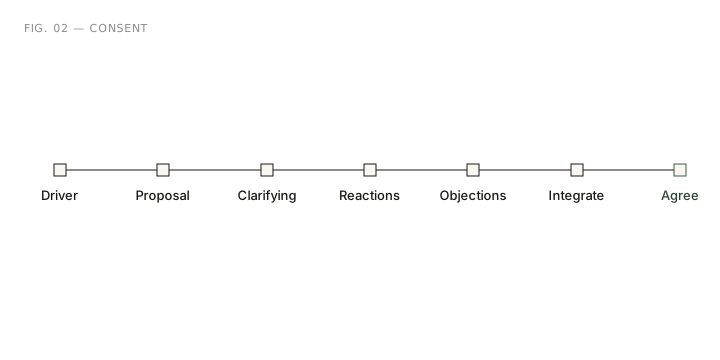
Decision by the absence of principled objection, not the presence of consensus. Agreement means "good enough for now, safe enough to try" — which is usually the only kind of agreement available anyway.
Why it resonates
I’ve watched too many leadership teams conflate consensus with agreement, and then confuse agreement with commitment. Consent does something rare: it separates the decision from the universal applause for it. Someone can have a concern, log it for later review, and still consent to trying. The ritual also names a specific class of blocker — the principled, articulable objection — and rules out the rest. That one rule lowers the cost of deciding in rooms where seniority would otherwise dominate. It is one of the few decision patterns I have seen work in organisations where “silence equals agreement” had already cost two quarters of forward motion.
How I’ve used it
Inside a product leadership group that kept relitigating the same three questions, I introduced consent rounds for any decision that touched operating model or budget. Within six weeks the meeting cadence halved, the backlog of dormant decisions cleared, and two objections from quieter team leads surfaced that reshaped how the group sequenced delivery. The director stopped being the decision bottleneck without losing the decision itself.
— James Priest, Bernhard Bockelbrink and Liliana David, Sociocracy 3.0, (2015 onwards). Building on Gerard Endenburg's sociocracy from the 1970s.