FIVE DYSFUNCTIONS — Patrick Lencioni
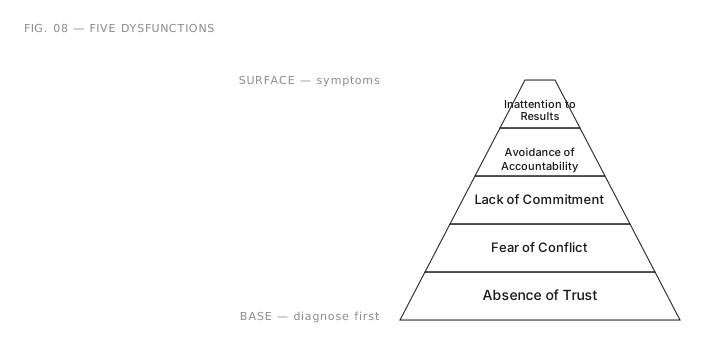
A pyramid of five reinforcing team failures — Absence of Trust at the base, Inattention to Results at the top — and the diagnostic insight that the work zone is almost always the lowest unaddressed level, not the symptom that surfaced first.
Why it resonates
Most leadership-team dysfunctions don’t show up at the level where they actually live. Inattention to results looks like a strategy problem; usually it’s that the team doesn’t trust each other enough to disagree well, so commitments stay vague, accountability evaporates, and the scoreboard becomes whatever each person can defend in isolation. Lencioni’s pyramid is useful because it forces a leadership team to diagnose where they actually are — usually a level lower than they think — before working on the symptoms above it. The fix for inattention to results is rarely a new dashboard; it’s the trust conversation no one wanted to start.
How I’ve used it
When a leadership team starts an engagement complaining about commitment or accountability, I keep the pyramid on the table for the first two retros. The conversation almost always reveals a trust or conflict gap underneath the named problem — and naming the layer beneath the layer changes what the team chooses to practise next, usually away from new processes and toward harder conversations.
— Patrick Lencioni, The Five Dysfunctions of a Team, Jossey-Bass (2002).