CYNEFIN — Dave Snowden
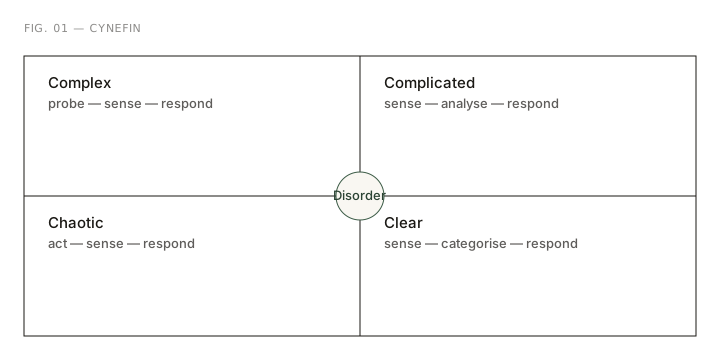
A sense-making frame for matching response to problem type. Five domains — Clear, Complicated, Complex, Chaotic, and the disorder at the centre — and each one asks for a different kind of action before it asks for a decision.
Why it resonates
Most of the damage I see in large product organisations comes from treating complex problems as if they were merely complicated — reaching for the analysis-then-plan reflex that works fine for a compliance upgrade and is exactly wrong for an operating-model redesign. Cynefin gives a leadership team a shared language for that distinction. It also gives them permission to stop trying to have the answer before committing, and start probing instead. In rooms that have been pitched AI as a productivity upgrade, naming the AI adoption question as a Complex-domain problem changes the whole conversation. It moves the group from “what is the right plan” to “what are the safe-to-fail probes” — which is the correct first question.
How I’ve used it
In a multi-year change programme at LEGO, I used Cynefin with senior leaders to reframe why their quarterly planning kept failing. They were running Clear-domain rituals against Complex-domain work. That one diagnosis reshaped their operating cadence: fewer plans, more safe-to-fail probes, and a weekly review designed to amplify or dampen what was emerging. Six months in, the same group was naming their own domain before proposing the response — which is the signal the frame has landed clearly.
— Dave Snowden, A Leader's Framework for Decision Making, Harvard Business Review (2007).